Phone:
(678) 951-0626
Physical address:
4575 Webb Bridge Rd.
Suite #4345
Alpharetta, Georgia 30023
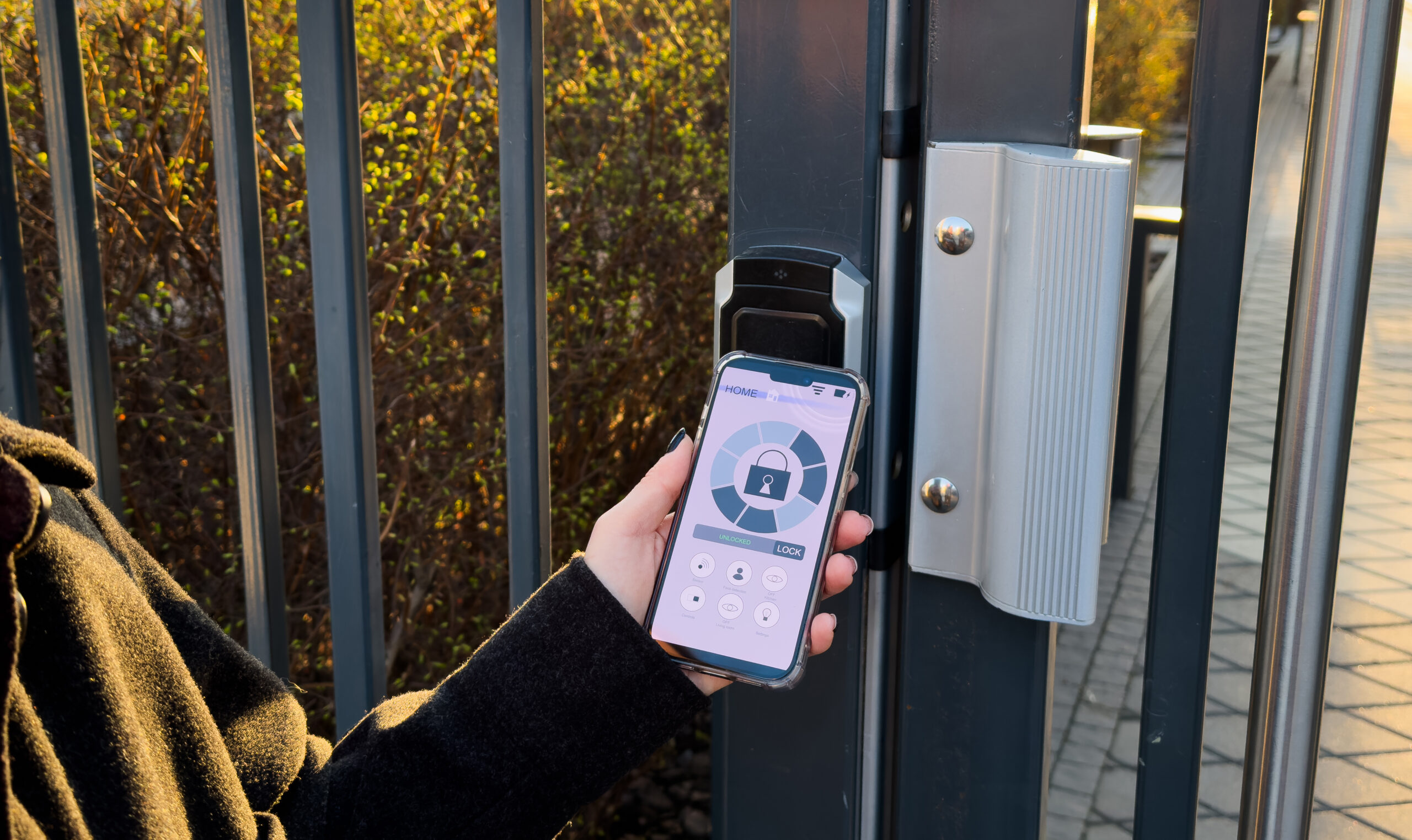
Fobs, key cards, and remote clickers have been the standard in community access control for decades. Mobile credentialing is changing that, and the reasons go far beyond convenience.
If you manage a homeowners association or a gated community with shared amenities, access control is likely one of the most persistent operational headaches you deal with. Residents lose fobs. New move-ins need hardware ordered and programmed. Vendors need access for a few hours, but you have no clean way to grant it without issuing a physical pass you’ll never see again. Move-outs are supposed to return their credentials, and sometimes they do.
Mobile credentialing solves all of this. And unlike many technology upgrades, it also makes the day-to-day experience meaningfully better for residents, not just easier for management.
This post breaks down exactly what mobile credentialing is, how the technology works, and why it has become the access control standard of choice for HOAs, gated communities, and amenity-rich properties.
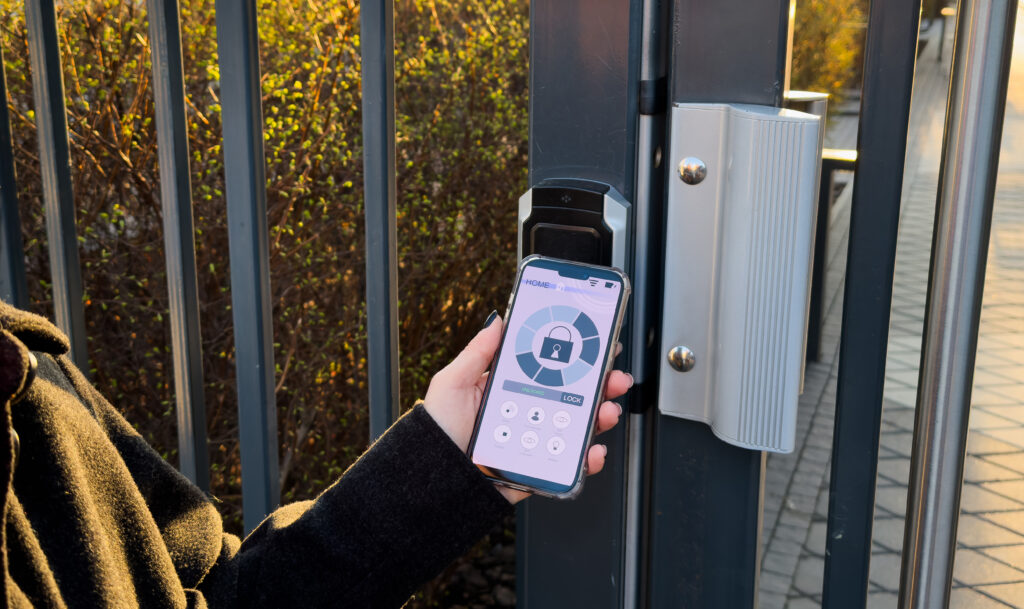
Mobile credentialing is the use of a smartphone as a verified, encrypted access device. Instead of a physical fob or key card, a resident’s access permissions are stored as a digital credential on their phone. When they approach a gate, door, or amenity entry, their phone communicates wirelessly with the reader, and access is granted.
The result for the end user is seamless: they approach, their phone is recognized, they enter. But the technology underneath that frictionless moment is far more sophisticated, and far more secure, than anything a fob can offer.
Most modern mobile credentialing systems, including TEKWave’s, use Bluetooth Low Energy (BLE) to communicate between a resident’s device and an access reader. The process happens in seconds:
“A mobile credential is not a digital version of a fob. It is a fundamentally different security architecture — one where the credential has no value without the enrolled device and the person attached to it.”
The security gap between physical and mobile credentials is significant, and it matters in HOA communities, where unauthorized access to amenities, gates, and common areas is a genuine liability concern.
Physical credentials, fobs, key cards, and proximity cards are objects. They can be picked up, lent, borrowed, or copied. Standard proximity cards can be cloned with hardware that costs under $50 and is widely available. Once a fob is issued, there is no inherent link between that credential and the person it was issued to.
Mobile credentials address each of these vulnerabilities directly:
The security gap between physical credentials and mobile credentials is significant, and it matters for HOA communities where unauthorized access to amenities, gates, and common areas is a genuine liability concern.
Physical credentials, fobs, key cards, proximity cards, are objects. They can be picked up, lent, borrowed, or copied. Standard proximity cards can be cloned with hardware that costs under $50 and is widely available. Once a fob is issued, there is no inherent link between that credential and the person it was issued to.
Mobile credentials address each of these vulnerabilities directly:
Not all mobile credentialing solutions are the same. One distinction that makes a meaningful difference in resident adoption is whether the app carries the community’s own brand or a generic third-party identity.
A branded app, with the community’s name, logo, and colors on every screen, becomes part of how residents relate to where they live. It gets used, not deleted. It reinforces the quality of the community rather than advertising someone else’s platform. For HOA boards focused on resident satisfaction and property value, that distinction is worth paying attention to.
“A mobile credential is not a digital version of a fob. It is a fundamentally different security architecture — one where the credential has no value without the enrolled device and the person attached to it.”

Communities that benefit most are those with multiple access points and amenities, active resident engagement, meaningful vendor and contractor traffic, and a board or management team that wants real visibility into who is accessing the property and when.
The transition is more straightforward than most managers expect. Residents self-enroll through an invitation workflow, no hardware handoff required. Existing readers can often be retained during a transition window, allowing fob and mobile credentials to run in parallel. And once the system is live, the operational lift drops substantially: no inventory to manage, no hardware to replace, no chasing down returned passes.

Mobile credentialing is no longer an emerging technology — it is the access-control standard that well-run communities are moving toward. The infrastructure is mature, the security advantages are substantial, and the improvement in the resident experience is measurable.
For communities built around amenities, active residents, and a genuine sense of place, the gap between a fob operation and a mobile credential one is not just technological. It shows.
Mobile credentialing is no longer an emerging technology; it is the access control standard that well-run communities are moving to. The infrastructure is mature, the security advantages are substantial, and the improvement in the resident experience is measurable.
For communities built around amenities, active residents, and a genuine sense of place, the gap between a fob operation and a mobile credential one is not just technological. It shows.
Ready to see what mobile credentialing looks like for your community? TEKWave’s branded mobile app platform whose purpose-built for HOAs, gated communities, and amenity-rich properties. Your logo, your brand, your control — backed by BLE encryption and real-time credential management.
